Space Call Project - International Education
Scientific Instructor · Mentor
Scientific Instructor for international program supporting students from 7 countries in building electronic boards launched into space, connecting cultures through technology
Impact
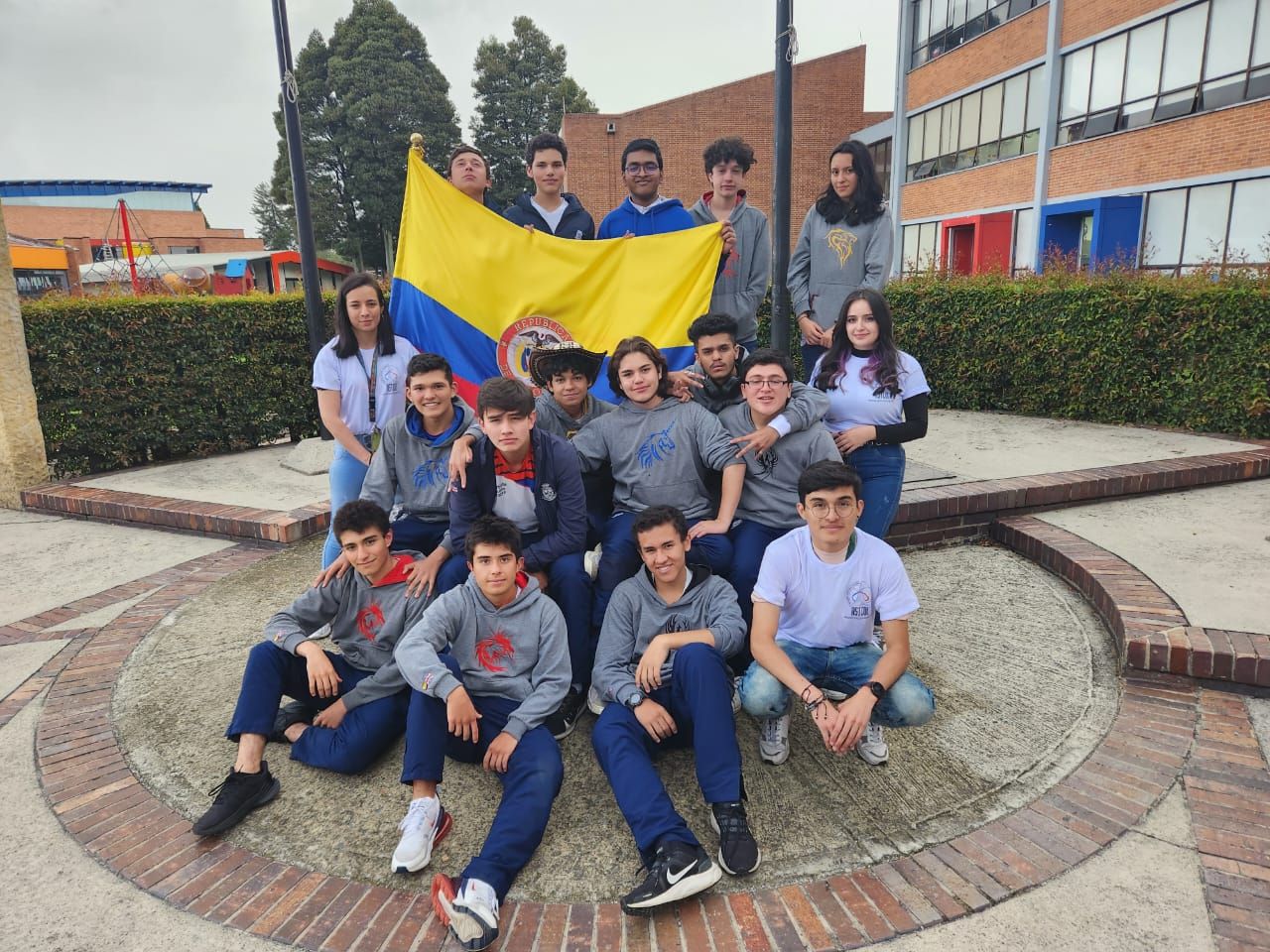
- Mentored students from The English School in Bogotá, Colombia
- Successfully contributed to an international CubeSat project launched into space
- Integrated educational modules from 7 different countries
Overview
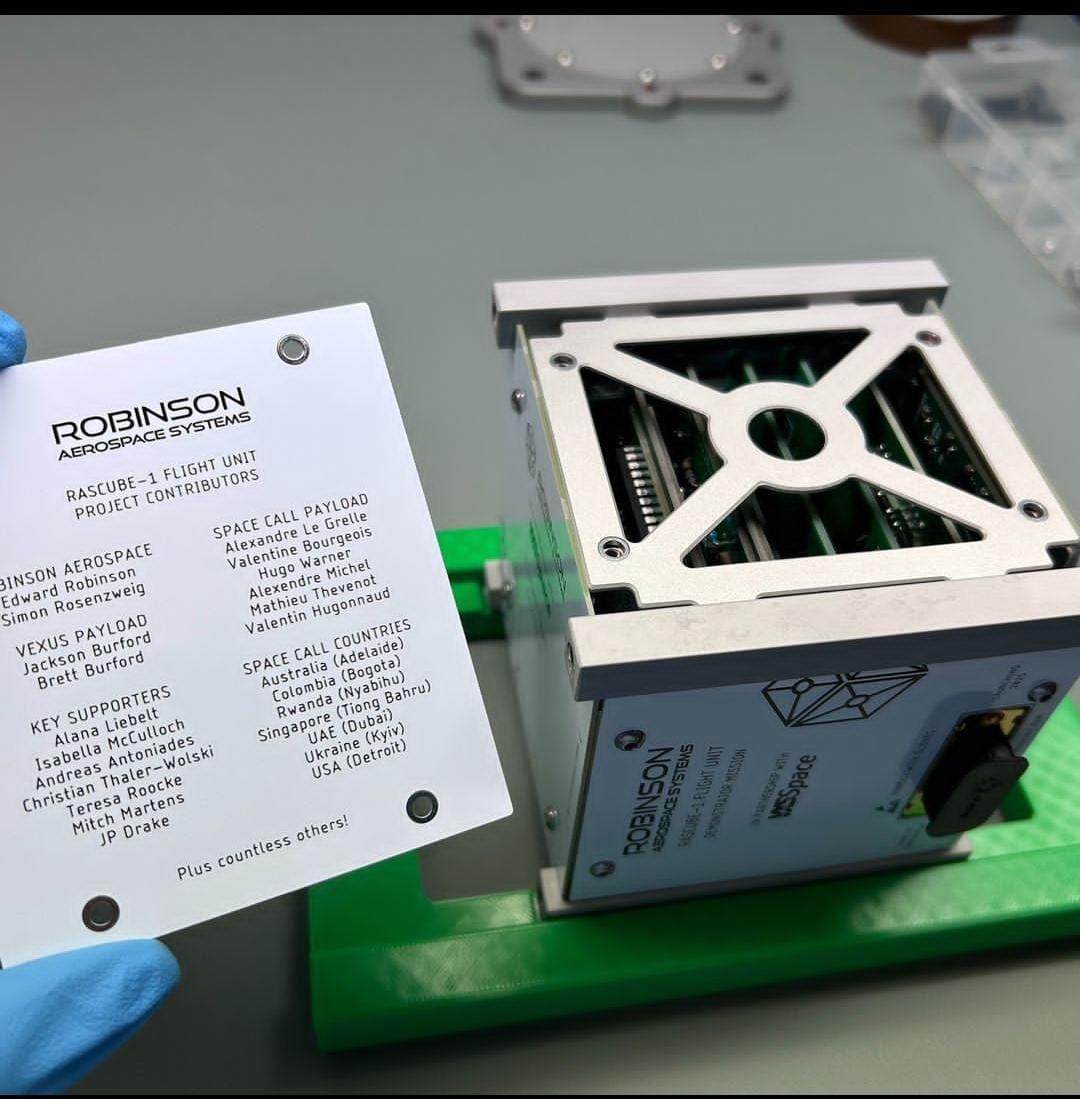
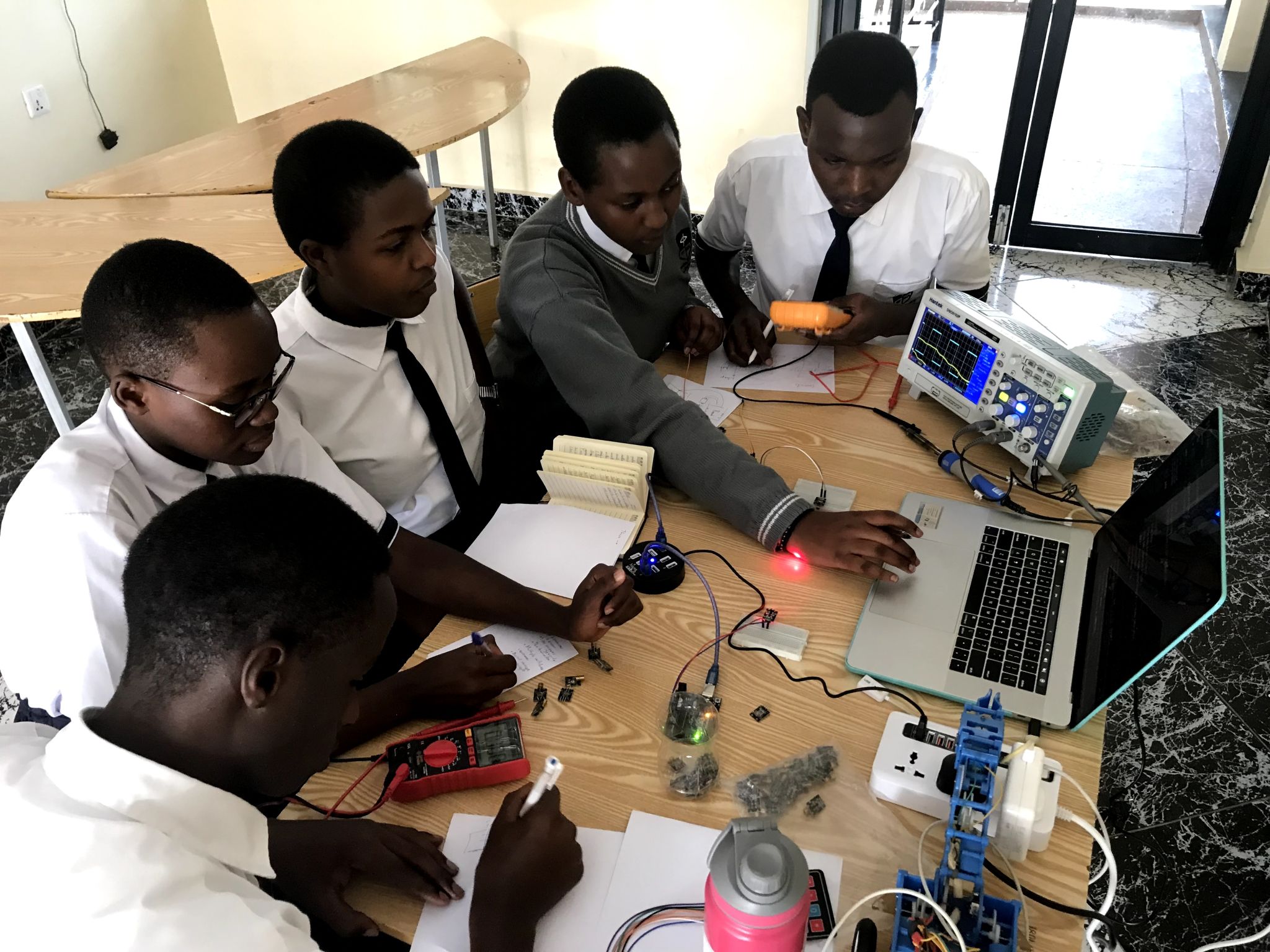
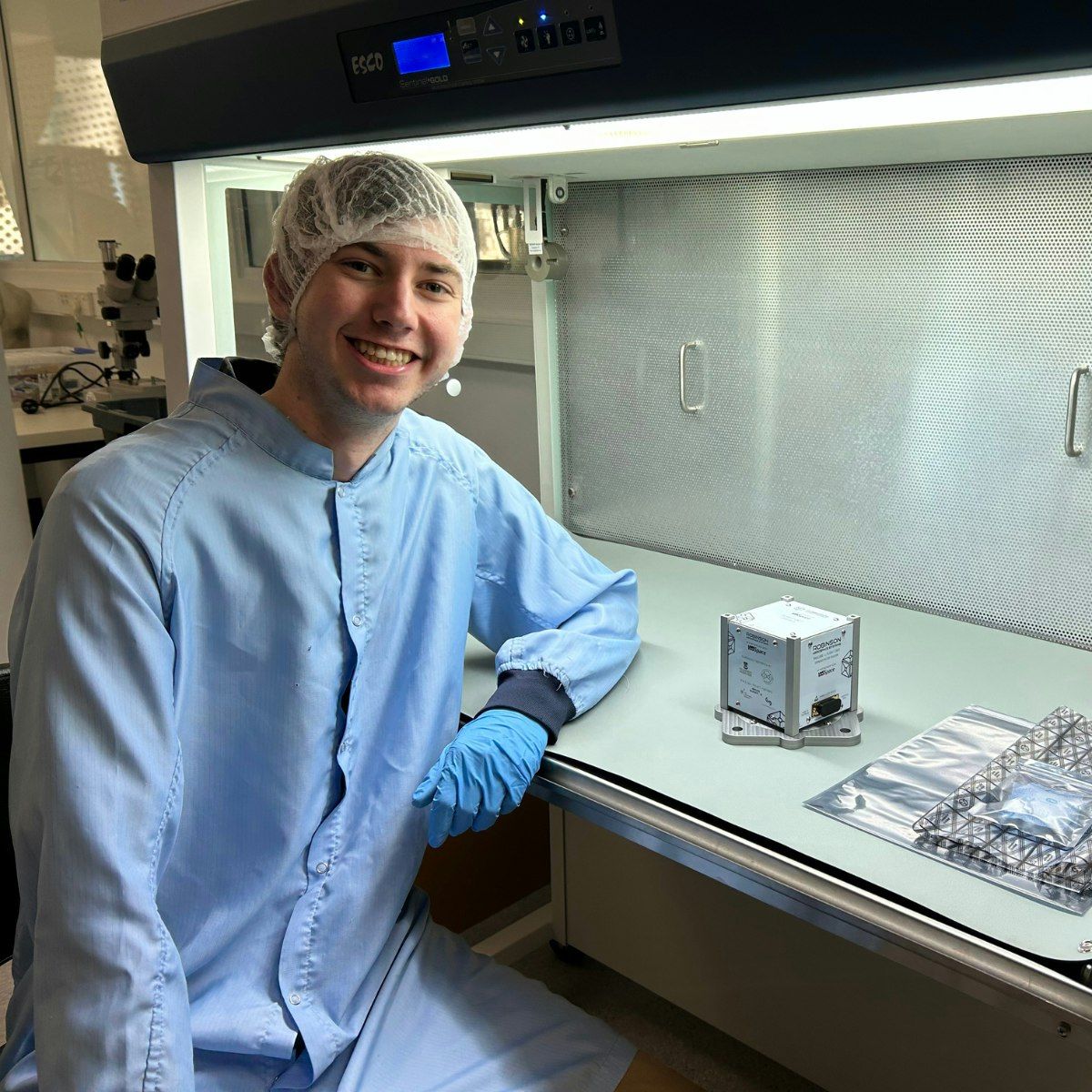
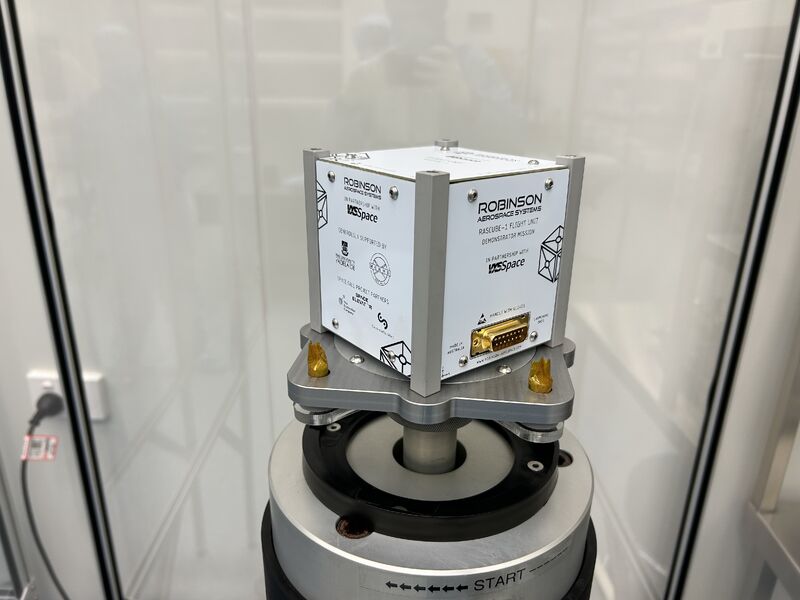
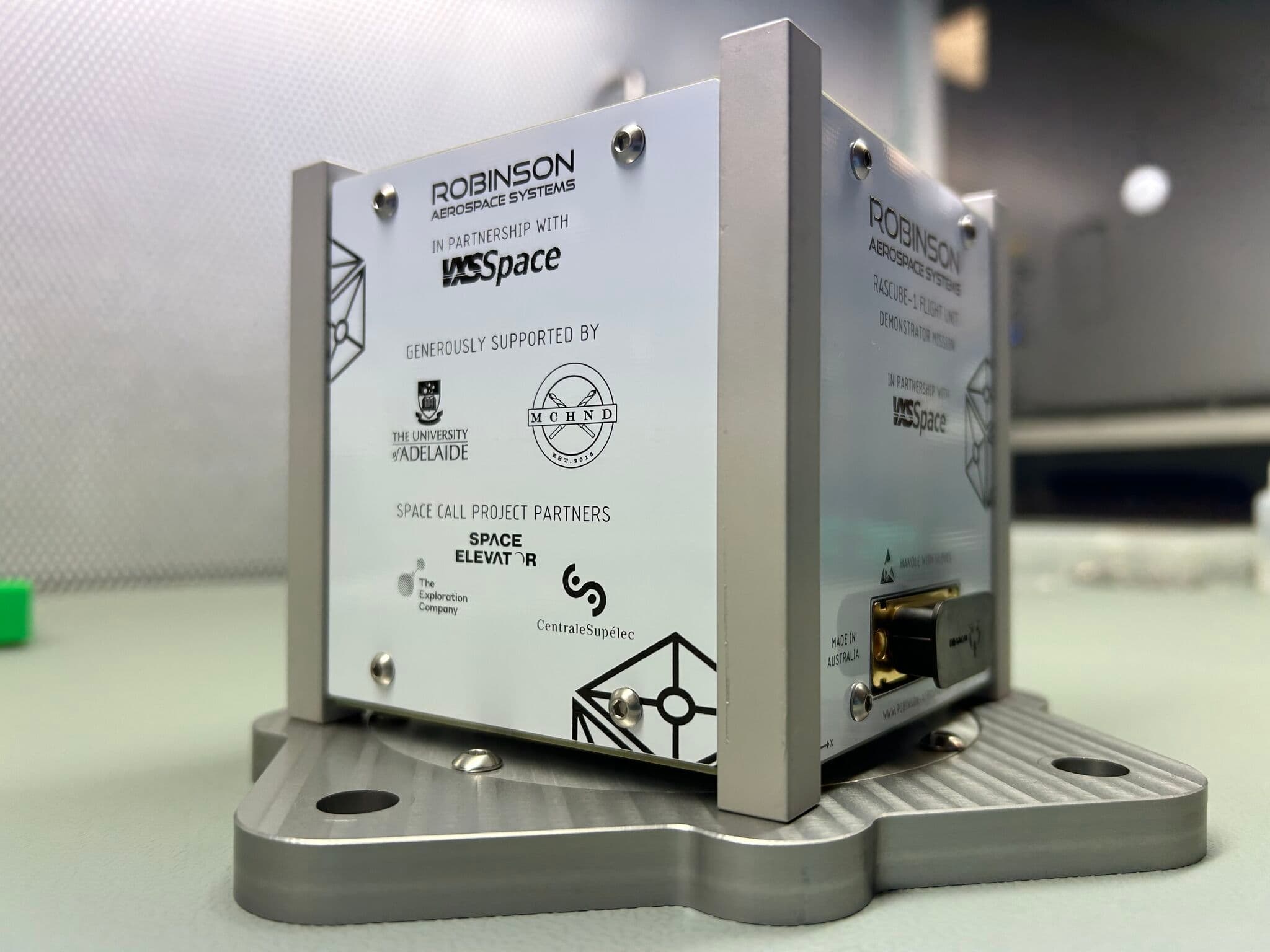
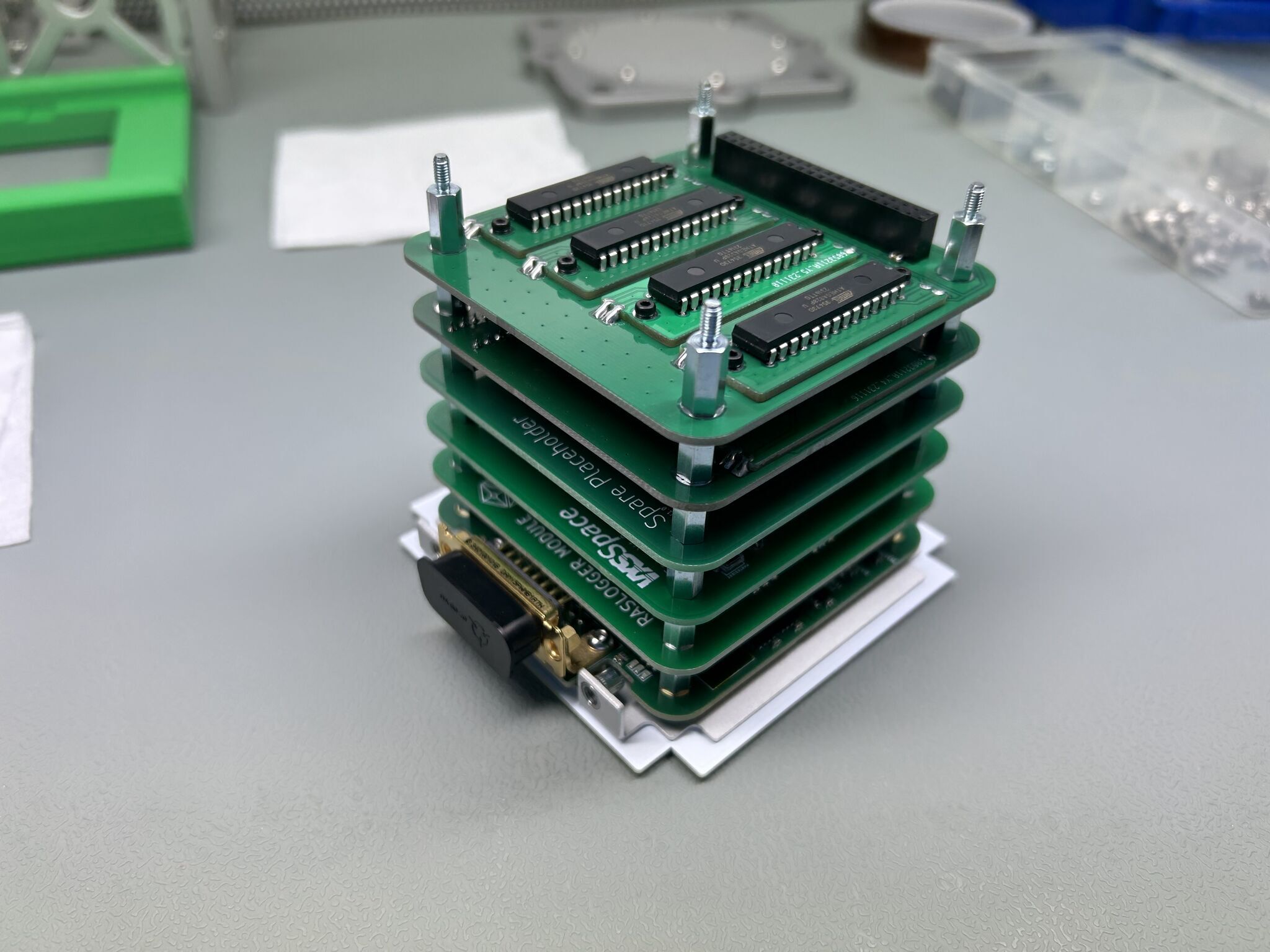
Space Call is an educational initiative driven by Australian company Robinson Aerospace Systems, in collaboration with French NGO Space Elevator and European company The Exploration Company. The project brought together students from seven countries (Australia, Rwanda, Singapore, Ukraine, Colombia, United Arab Emirates, and United States) to design electronic modules (with microcontrollers, LEDs, and sensors) that were integrated into an educational CubeSat called RASCube-1.
The symbolic objective was for the modules to communicate with each other in orbit using Morse code, functioning as a "telephone game" in different languages.
My Contribution
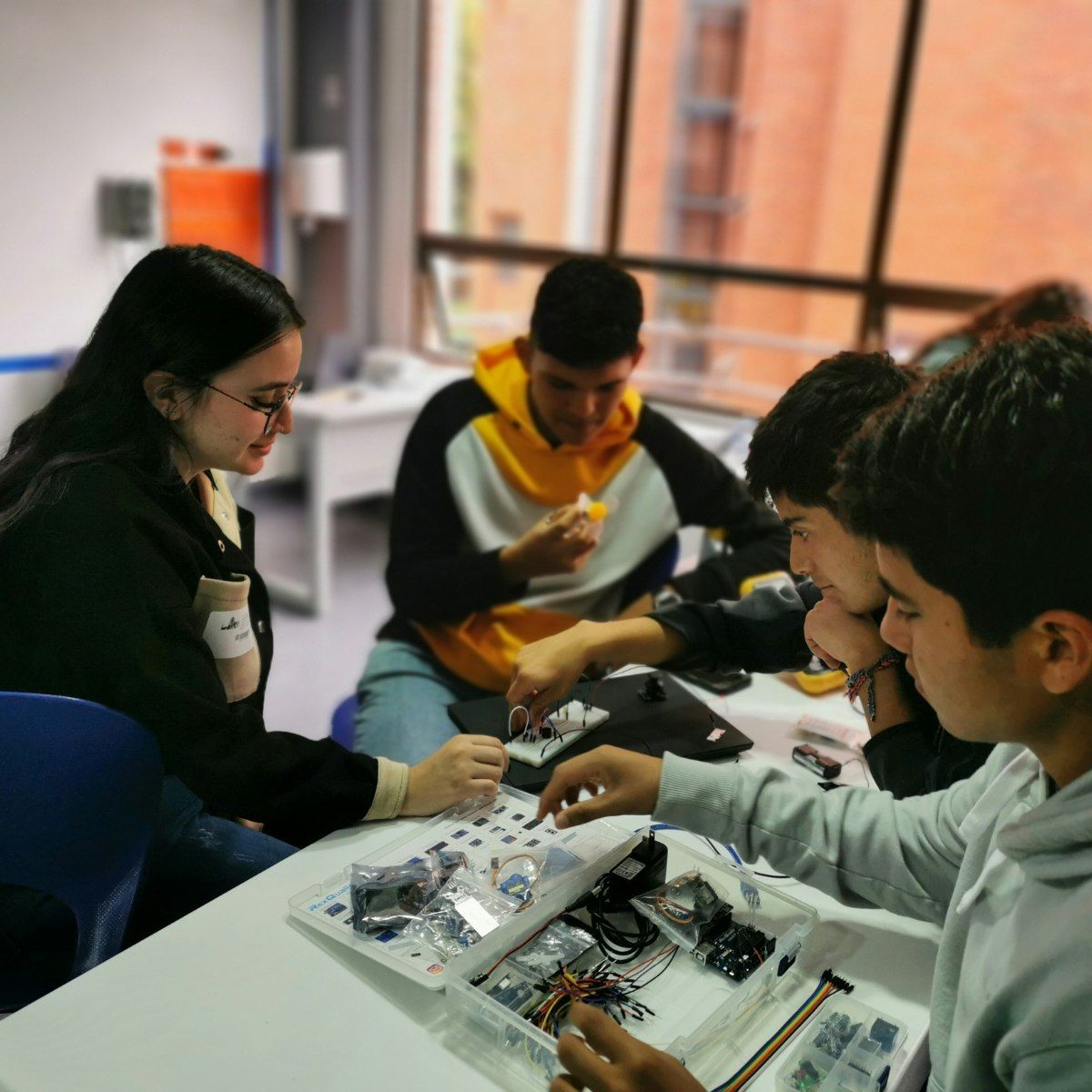
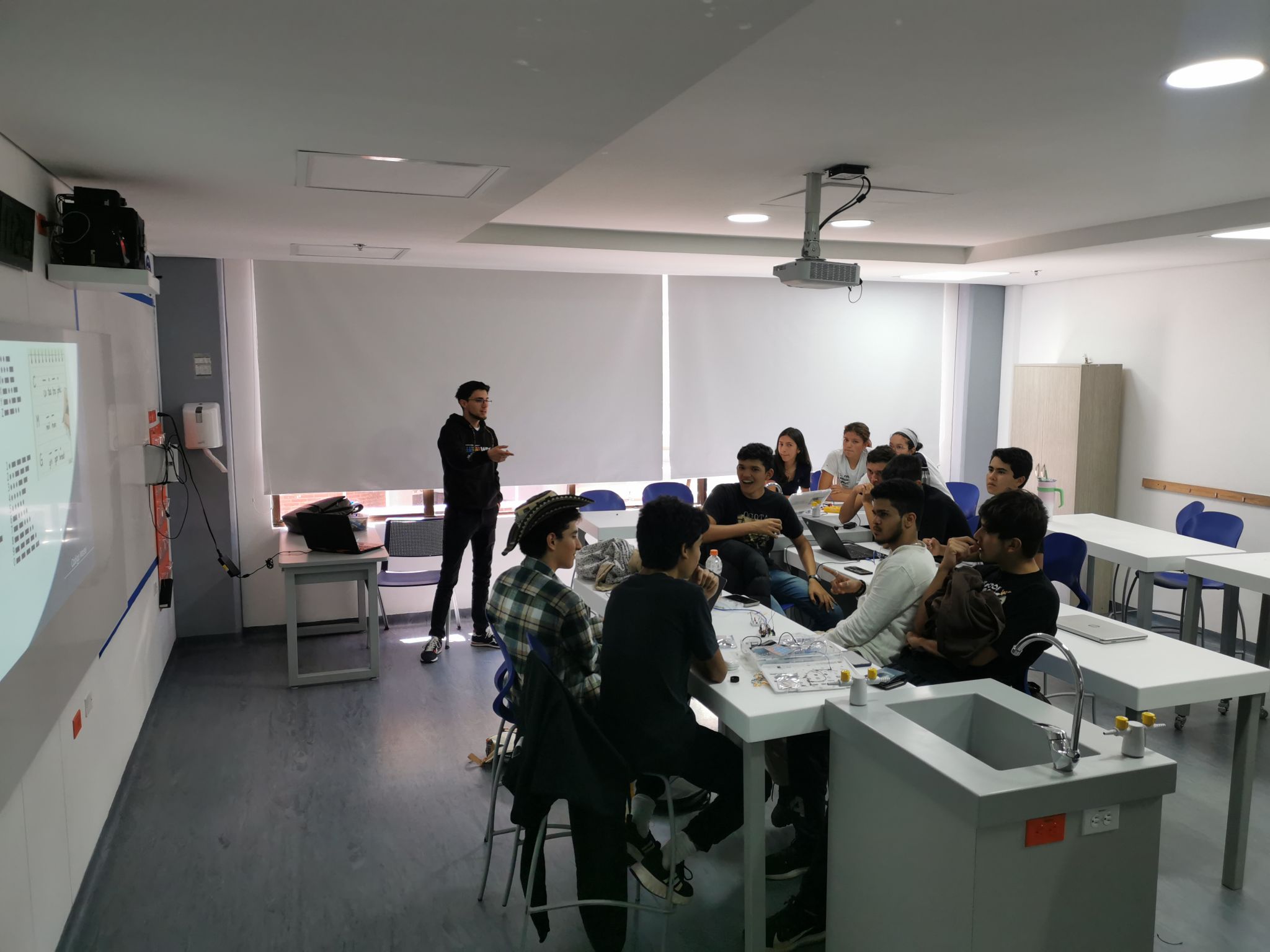
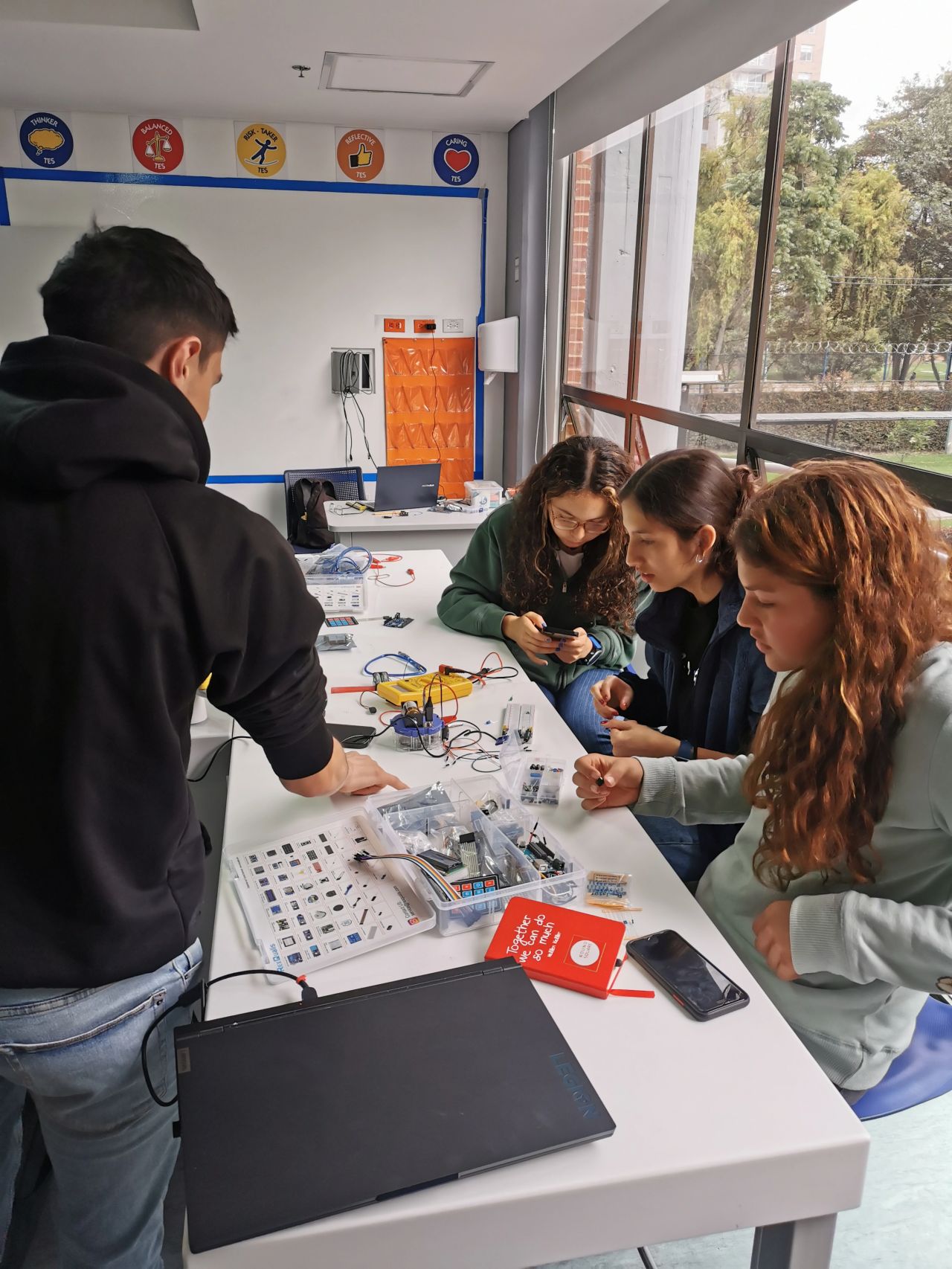
As a Scientific Instructor, with ASTCOL, I mentored students from The English School in Bogotá, Colombia. My role involved teaching various technical subjects including:
- Programming fundamentals
- Electronics basics
- Mechanical concepts
- Morse code implementation
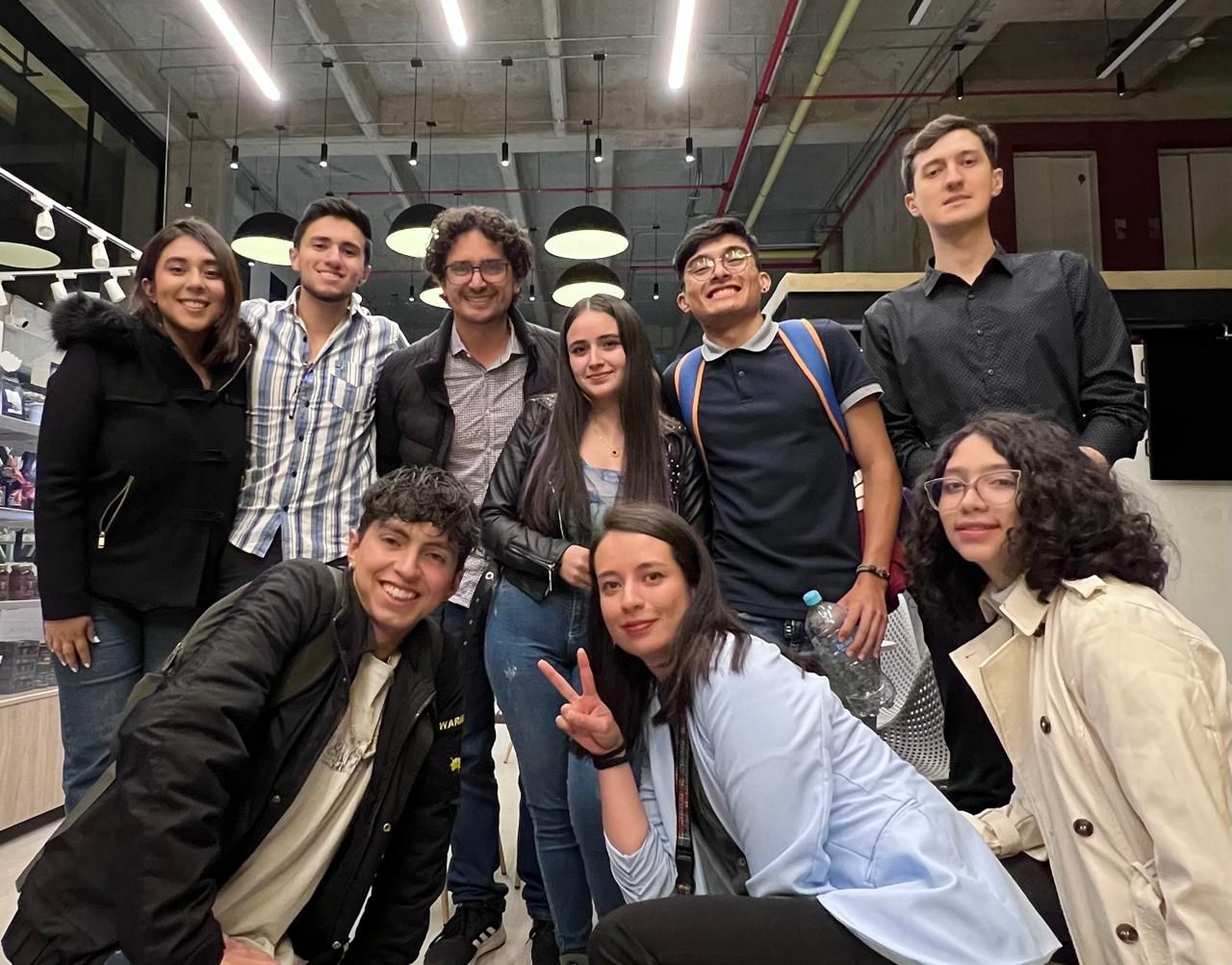
The mentorship program ran from November 2023 to February 2024, preparing students to contribute their module to the international project.
Process
Working with the students, we utilized various tools and components including:
- Arduino Uno microcontrollers
- Arduino IDE for programming
- Breadboards for prototyping
- LEDs and buzzers for signal implementation
The educational process focused on hands-on learning and practical application of STEM concepts, culminating in the creation of a working electronic module that would be integrated into the final CubeSat.
Launch Information
The RASCube-1 CubeSat was successfully launched on Tuesday, June 24, 2025. The launch details include:
- Vehicle: SpaceX Falcon 9 rocket
- Launch Site: California
- Transport: Integrated within a space capsule developed by The Exploration Company
Results
The project successfully achieved its educational and technical objectives:
- Connected students from seven different countries in a collaborative space project
- Successfully launched the integrated CubeSat into orbit
- Demonstrated practical application of STEM education in a real-world space mission
- Created international connections between students through technology and space exploration
Gallery